↳
Details
Words:
Ed Hicks
Duration:
10 mins
Date:
09.10.2023
Tagged:
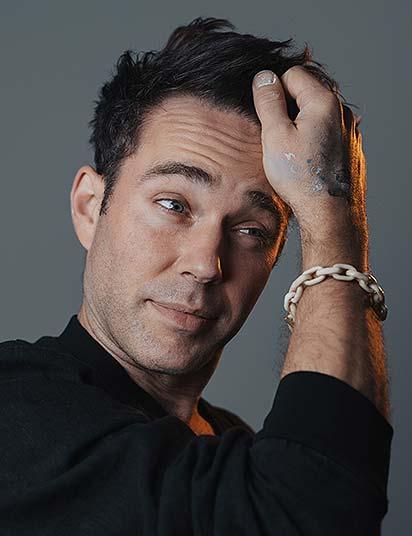
Opinions (and drawings) by Ed Hicks.
Celebrated street artist Ed Hicks keeps being told that he can't not like things.

“You can’t say that it’s bad.”
“Can’t I? … are you sure?”
“Well whoever did it, you know, they liked it."
“Yeah I get that … But it’s awful. it’s utter clown shoes.”
“Yeah it’s.. it’s not GOOD, but you know, you can’t SAY that.”
“So OK, is any art better than any other art?”
“No. It’s all subjective. It’s down to the individual.”
“Totally subjective?”
“Yeah.”
“All of it?”
“Yes. all of it.”
...And that there is basically a conversation I have had time and again with real people both on and off-line. This is always in the context of street art and murals, that do-it-yourself subculture that I have been pottering about in for the last 20 years.
"This is always in the context of street art and murals"
It’s been a long time. But, as my own work got more infused with meaning and I started taking it seriously, then taking the role of the public artist seriously, and I looked up from what I was doing… it became apparent to me that almost everything could be quite a lot better.
“Who are you to be SURE of artistic value? That’s gatekeeping!”
That is, if a stance of CERTAINTY is a totalizing mindset, a utopian frame, well, that’s what all totalitarian systems are based on, right? … and no one likes totalitarians.
They’re the ones with the red arm bands and shiny jack boots. They are NOT the good guys.
If I have found at this point in my career that my TASTES have become more specific, then these are not objective truths in art, they are just tastes. I am just doing the grumpy middle aged man thing, the “BACK IN MY DAY” etc.
"...these are not objective truths in art, they are just tastes. "
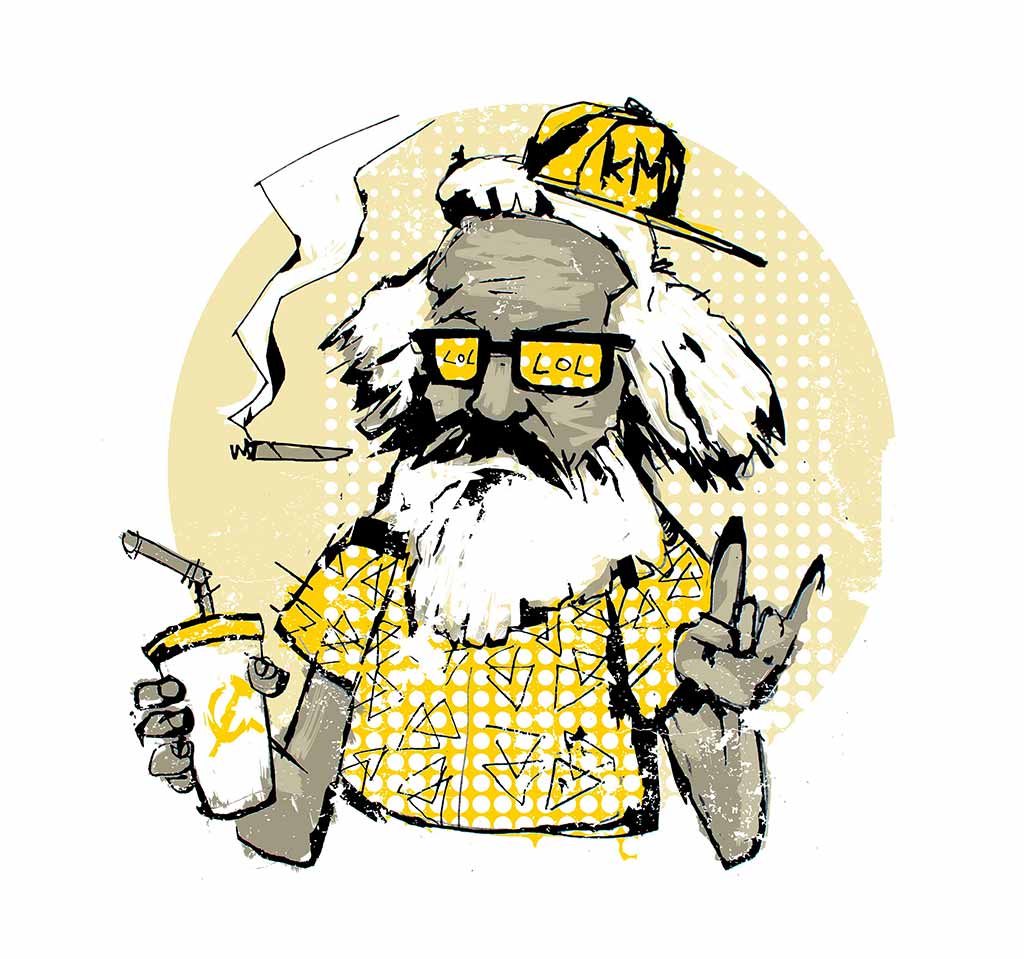
Plus, how could an individual, with a view from somewhere, claim to have the view from NOWHERE? That is, know enough about a subject or form to give a definitive aesthetic judgement?
Are they the all-seeing eye?
A giant space baby orbiting the earth, knowing all?
Surely there is no ONE definitive reading of a text.
Surely, all is subjective?
The supremacy of subjectivity in aesthetics is a fairly new idea historically speaking.
1970s.
That whole Critical Theory, Death-of-the-Author, postmodernist stance.
It’s still the go-to philosophy in universities.
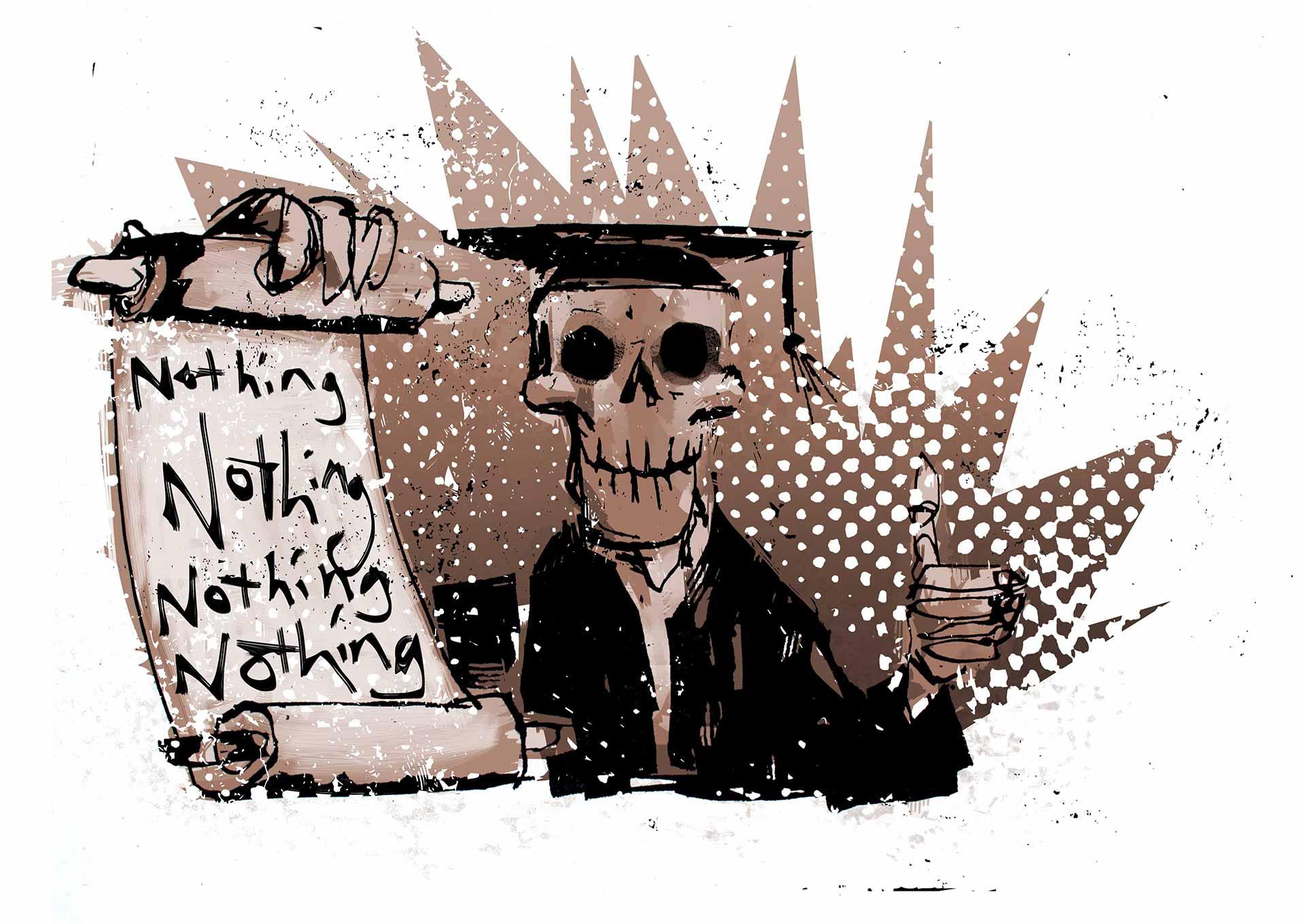
I don't doubt that these were useful tools at the time. Must have shook up the squares to no end, found new angles of study and given a lot of people PhDs.
" I don't doubt that these were useful tools at the time."
It also laid the groundwork for the kind of collage work that spawned hip hop, punk, all manner of mad and wonderful subcultures. Sampling, revising, cutting up, making something new. Doesn’t sound too bad. But in art, that kind of self cannibalising without grand narratives can end up in a bit of a dead end after 50 years.
The grand narratives of the past become ironic in-jokes.
The sizzle without the steak.
Sincerity becomes utterly passé.
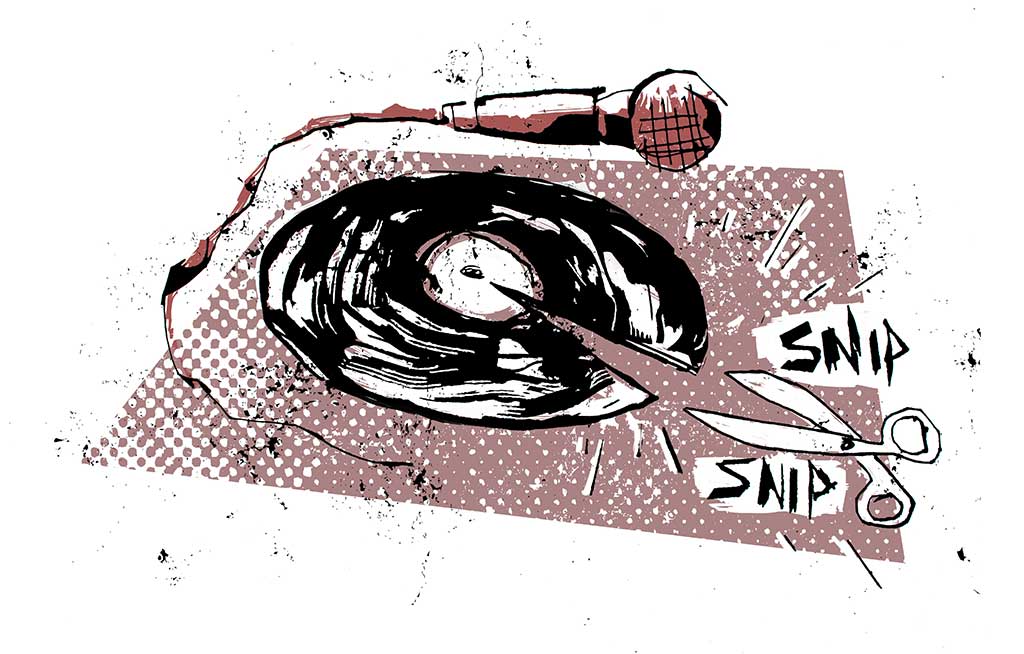
"Sincerity becomes utterly passé."
This is where we get the works of Damien Hirst and all those 90’s conceptualists. Their youthful snot-nosed wannabe punk affectations hiding the Thacherist business suits beneath, shark eyes without shine.
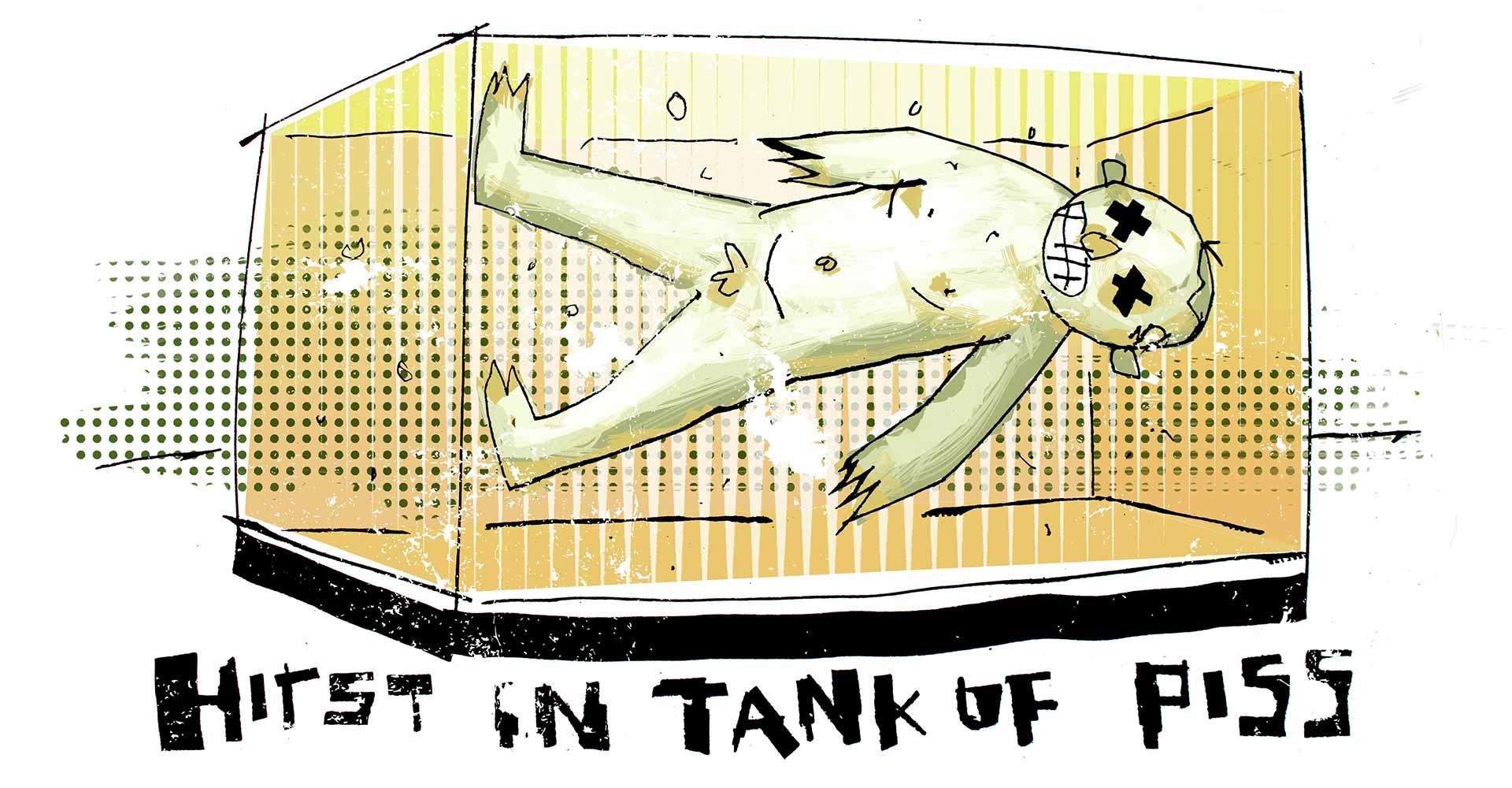
Creative people are usually somewhere on the political left, we care mostly about justice and fairness and dislike hierarchies. Unlike the Right, with its love of proportionality – where you get what you work for and that’s it. The thing is, as soon as anyone excels at anything – anything at all – then systems of competence and worth just spring up.
Try your hardest to get rid of hierarchies and all you end up having is a hierarchy of who can get rid of the most hierarchies.
“We should all have equality of opportunity,” you might say.
“A level playing field.”
Damn right. We should. But as soon as you dictate the results, crush down the excellent and raise up the banal for an equality of outcome, well, what then?
Street art is pure equality of opportunity. It’s what I loved about it. The walls are there, the materials are easily at hand and people just do it, but the thing I liked the most, was that no matter what you did, its WAS street art. Once it was on the wall it took on a new life.
You did it once, and you were it. You were one of them.
"...as soon as you dictate the results, crush down the excellent and raise up the banal for an equality of outcome, well, what then?"
Marshall McLuhan wrote ‘Understanding Media’ in the 60s and it contains his most famous dictum; “the media is the message.”
This proposes that a communication medium itself, NOT the content it carries, has a greater impact on shaping an individual’s, or group’s, perception and thus should be the primary focus of study.
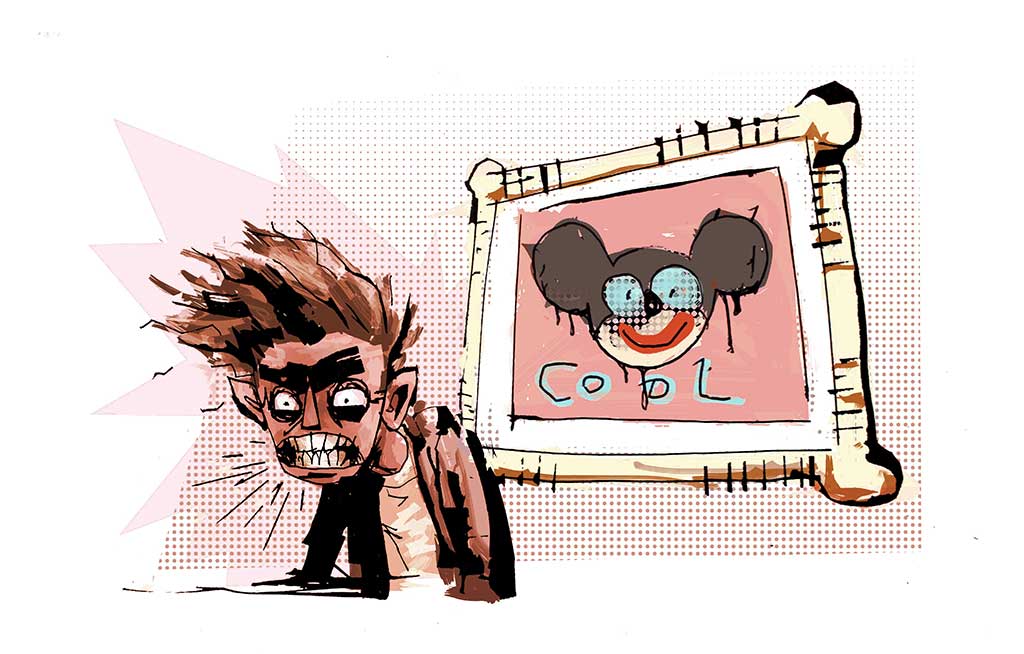
The result of this in real life, and especially in our particular playpen, is that anything you paint on a wall immediately says; VANDALISM, SUBVERSION, COOL.
The picture could very well be the most lackluster doodle or stencils of famous people / licensed images of corporate owned cartoon characters, but like magic,
"...like magic, the medium makes it edgy."
This is the water we swim in. Selling out is the new ‘keeping it real’, where all of us in the creative industries have only a handful of sterilised platforms on which to promote ourselves and where the algorithm only lets those that pay or play the game have any kind of coverage.
But I’m getting off track. Back to critique.
So… who can say what it good? Art galleries? That market has very little ease of access. Reading the biography blurb of a group show I recently attended, each began with naming the university they went to. There were about 4 institutions and each of the artists had been to one of them.
Why? Because there are steps you take to be recognised in the field. Reputation, backstory, affiliation.
Street art is mostly anonymous and doesn’t need this, which is one of the reasons it has had to make its own galleries.
It’s a folk art, for the people, by the people, but it uses the word ART. And if it’s art, it can get critiqued, surely?
"It’s a folk art, for the people."
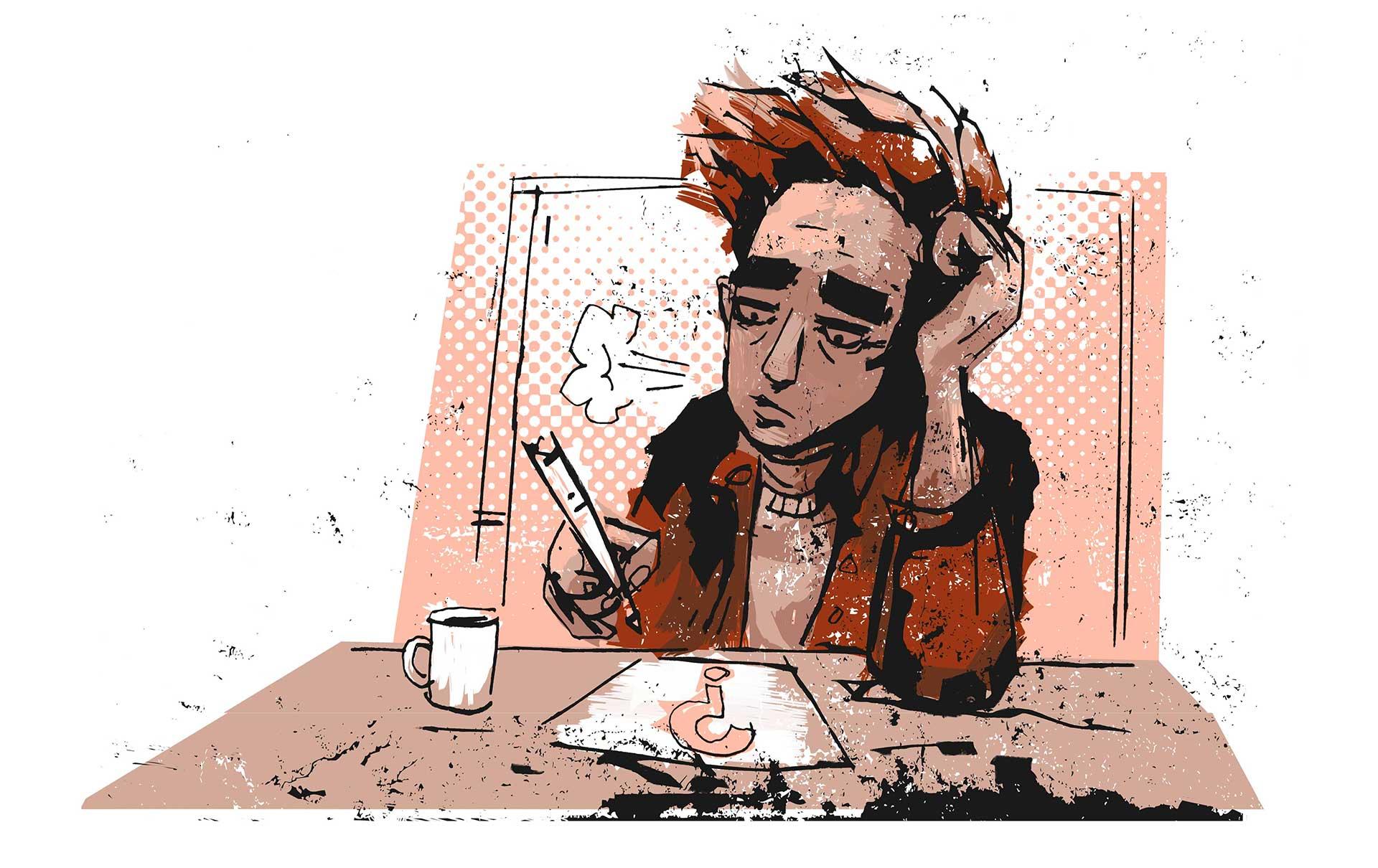
In academia the autodidact (self-tutored) are kinda laughed at.
This again looks like gate keeping – old boys club stuff – but the reasoning is that without peer group review, and without a basis in canonical texts, accountability and conversation, there is a tendency towards cranky fanatics or hair-brained quackery.
No one is going to go to a self-taught brain surgeon and folks without a map end up in strange lands*.
*I very much fall into this category.
"...there is a tendency towards cranky fanatics or hair-brained quackery."
And so, with a need for at least some pedagogy, we return again to hierarchy, only standing on the shoulders of giants and ‘if it worked in the past, it will work again today.’
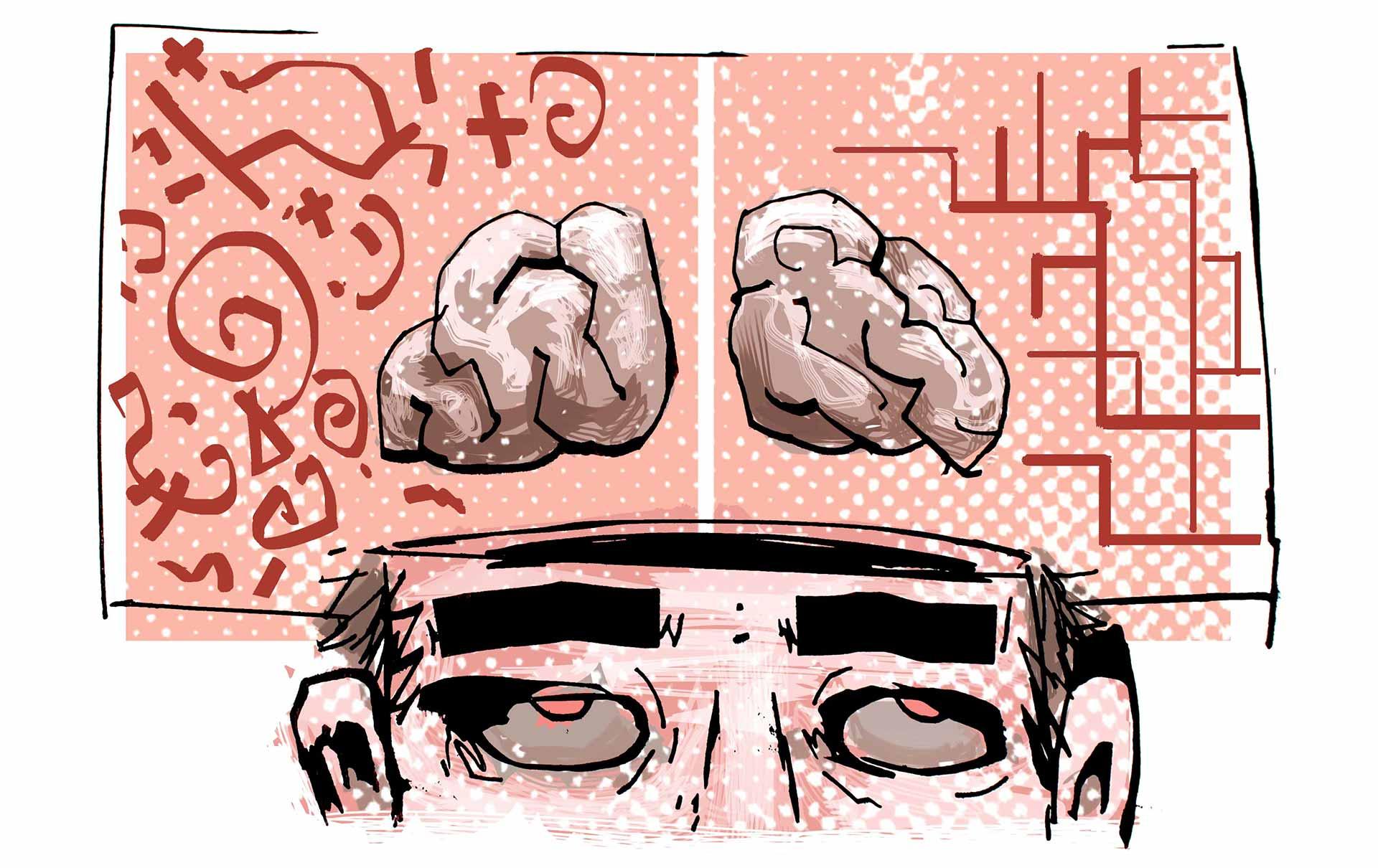
Nietzsche, (yeah him, obviously) in his first book ‘The Birth of Tragedy’ identifies 2 types of artist, the Dionysian (free-wheeling emotional wild art, from the god Dionysus) and Apollonian (structured, methodical art, from the god Apollo).
People have tried to map this duality thing onto left/right brain hemispheres, but the reality is far more complicated. After all, we’ve all got a full brain.
Is it then: the street art gallery curators?
They certainly know what’s going on, finger on the pulse, good eye and clever with it. But at the same time, they just follow the trends and sell what’s selling.
They can’t risk promoting anything too new.
Is it then: the publications?
Printed media is dying on its feet and with a dwindling readership, it has to just promote the big names. Same problem again.
So, who?
Maybe the time has come and gone. I remember thinking 12 years ago that street art couldn’t last long. Since then, the galleries have been priced out of London, most things have moved online, more people are doing it than ever before, and almost all of it is the same thing. And the same thing. And the same thing.
Street art didn't die. It just gave up trying to be different.
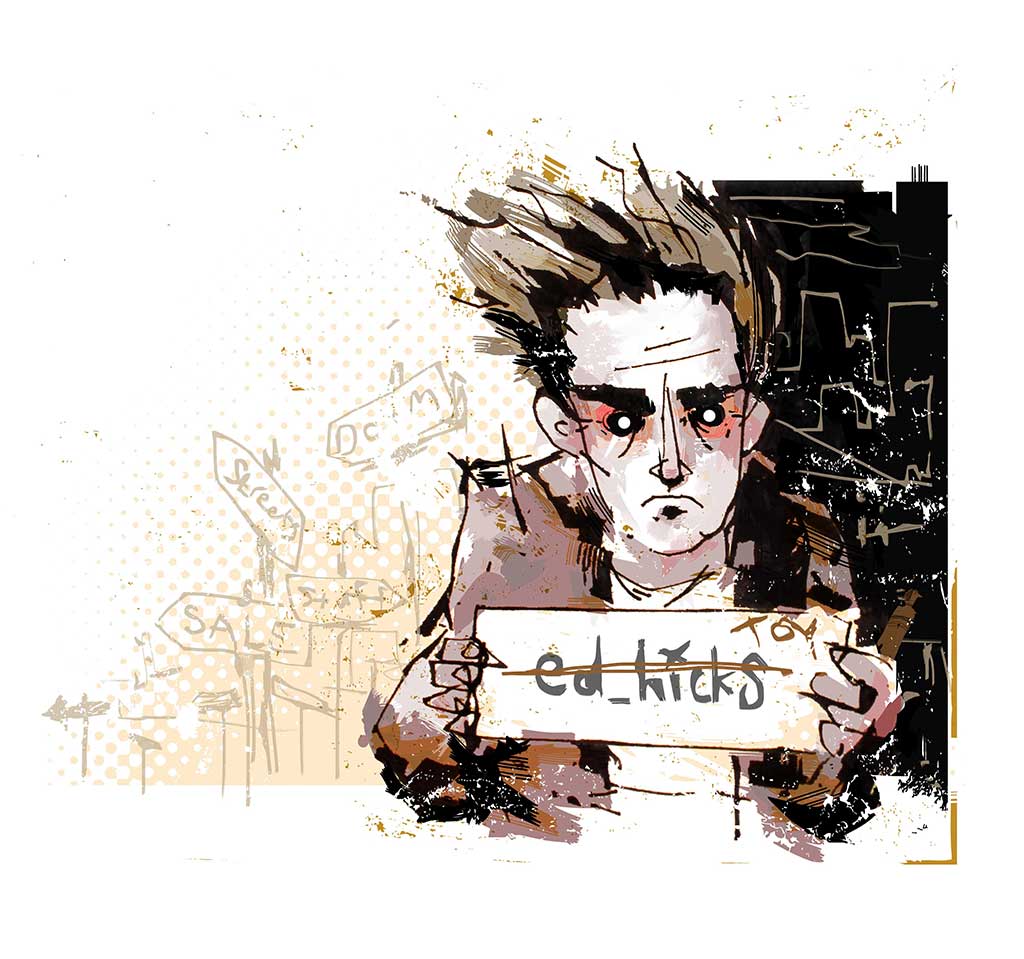
"Maybe the time has come and gone."
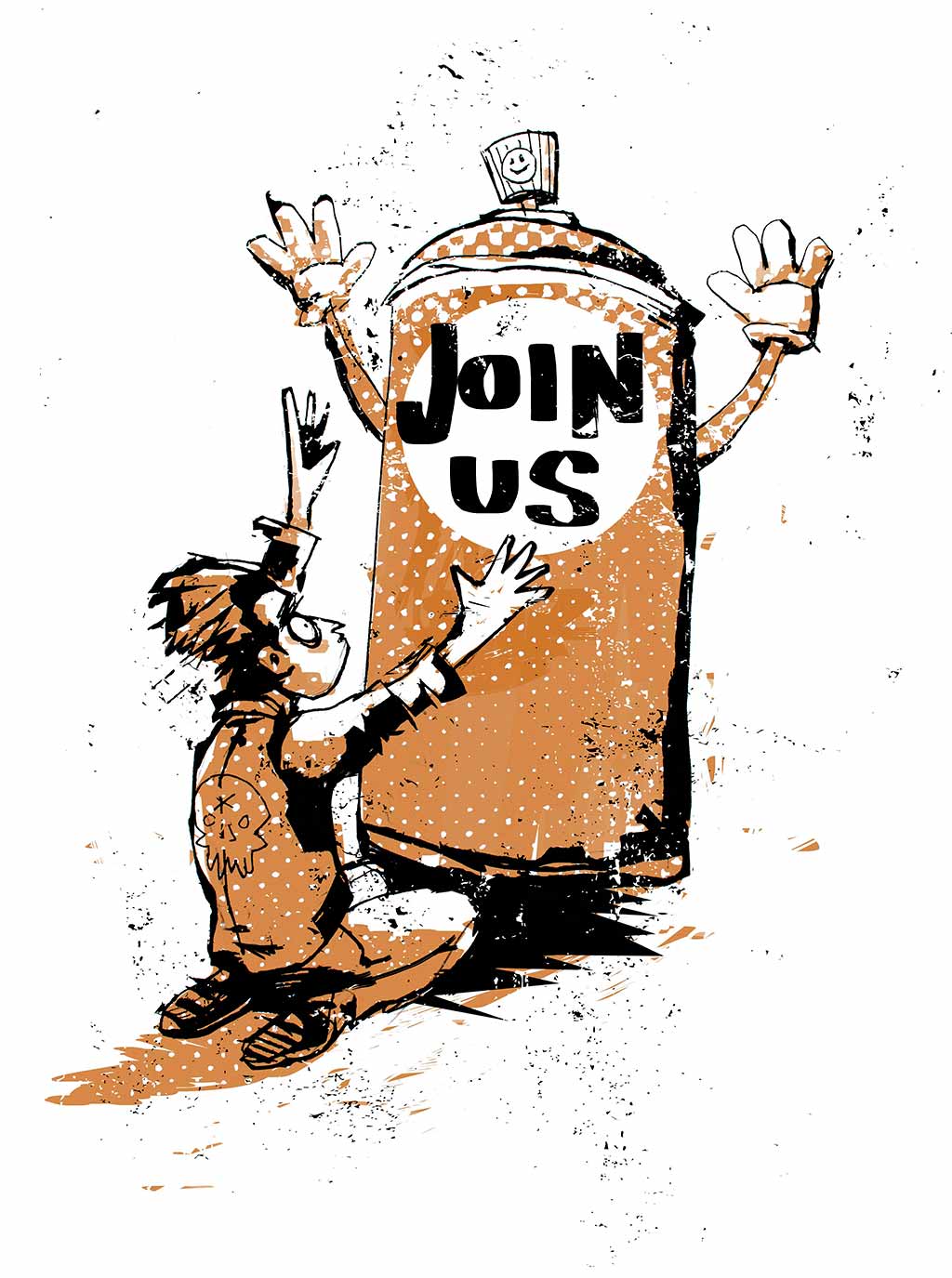
Maybe we are scrabbling round in the embers of a fading subculture.
So as the dross pours in, we are told to ‘be nice’.
The eternal injunction. “You must be nice online”.
After all – content is content.
Without critique, we raise up the mediocrity. The mid-wit. The plagiarist. IF YOU LIKE THAT THEN YOU’LL LOVE THIS.
When you say ‘everything is as good as everything’, then nothing is good.
Excellence can’t exist in a vacuum.
But then, neither can trash or the tepid offerings of the mediocre.
I don’t really know. I don’t even know how to do it without sounding revoltingly elitist.
CLASSIST even. I don’t want that now or ever.
With folk art, once you start to set a framework, you’re going to run the risk of sounding prejudiced.
But some more serious-minded conversations need to happen. Publicly.
"Excellence can’t exist in a vacuum."
I know it’s always a cop-out to end with “We need to talk more”, but we really do need to stop avoiding the conversation. Because we have reached a point of such bland stagnation in street art and pop culture that in many ways, the most rebellious activity one could do is really mean it.
Because beauty is not pretty. It is terrifying. You feel it to your bones.
Maybe for street art to survive we need LESS STREET, MORE ART.
Sincerely.